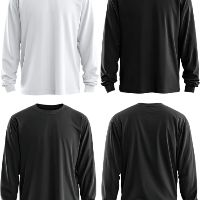
Choosing the right clothing involves more than finding an attractive color or suitable design. The material used to make a garment plays an equally important role in determining how it feels throughout the day. Comfortable Long Sleeve T-Shirts are particularly useful because they offer additional coverage while remaining suitable for everyday outfits, layering and changing weather conditions. However, not every fabric provides the same level of softness, breathability or flexibility. Understanding the differences between common textile materials can help shoppers make better clothing decisions. Whether dressing for a relaxed weekend, travelling or managing a busy routine, fabric selection can make a noticeable difference to everyday comfort.
Cotton: A Reliable Choice for Everyday Comfort
Cotton remains one of the most popular materials used in casual clothing because of its soft texture and breathable properties. Its natural fibres allow air to circulate, making it a practical option for everyday wear. Cotton garments also tend to feel comfortable against the skin, which is particularly important for clothing worn for extended periods.
Another advantage is its versatility. Cotton can be used to create lightweight garments for warmer conditions as well as heavier options for cooler days. However, pure cotton may take longer to dry than some synthetic alternatives and can shrink if washed incorrectly. Following the care instructions helps maintain its original shape and appearance over time.
Polyester Blends: Practicality Meets Performance
Polyester is widely used in modern clothing because of its durability, lightweight construction and moisture-management potential. When blended with cotton, it can create a fabric that combines the softness of natural fibres with some of the practical advantages of synthetic materials.
These blends are often suitable for people who want clothing that can handle regular washing and everyday activities. Polyester can also help garments retain their shape and resist wrinkles. However, the comfort of a blend depends on its composition, fabric construction and finish. Some options may feel less breathable than pure cotton, so checking the material description before purchasing is always worthwhile.
Cotton Jersey: Softness with Everyday Flexibility
Cotton jersey is a knitted fabric commonly used in T-shirts because of its soft feel and natural flexibility. Unlike many woven materials, its knitted construction allows it to stretch slightly, making it comfortable for everyday movement.
This fabric is available in different weights, which influence how a garment feels and performs. Lightweight jersey is suitable for layering, while heavier versions can provide more structure and coverage. Its smooth surface also creates a clean appearance that works well with jeans, chinos and casual trousers. For people who prefer relaxed clothing, cotton jersey offers a useful combination of comfort, flexibility and versatility.
Fabric Weight Determines How a T-Shirt Feels
Fabric weight is another important consideration when choosing everyday clothing. It is commonly measured in grams per square metre, or GSM. This measurement indicates the weight of the fabric rather than directly determining its quality.
Lightweight materials generally feel cooler and are easier to layer underneath jackets or sweatshirts. Medium-weight fabrics offer a balance between coverage and breathability, making them suitable for regular use. Heavier materials can provide additional structure and may be more appropriate for cooler conditions. The best choice depends on personal preference, climate and intended use. Considering fabric weight alongside fibre composition can help shoppers find garments that feel appropriate for different situations.
Breathability Makes a Difference throughout the Day
Breathability affects how comfortable clothing feels during different activities and weather conditions. Fabrics that allow air to circulate can help reduce heat build-up, particularly when someone is moving around or spending time outdoors.
Natural fibres such as cotton are often appreciated for their breathable characteristics. However, fabric construction also influences airflow. A loosely knitted material may feel different from a tightly constructed fabric made using similar fibres. People who live in warmer climates may prefer lightweight materials, while those in cooler environments might choose thicker options. Thinking about where and when a garment will be worn can help make fabric selection more practical.
Stretch and Flexibility Support Natural Movement
Comfortable clothing should allow the body to move without creating unnecessary restriction. This is why stretch and flexibility are important features to consider when selecting casual tops.
Some fabrics naturally offer a degree of flexibility because of their knitted construction. Others incorporate elastane or similar stretch fibres to improve movement and shape retention. These materials can be useful for people who spend long hours travelling, working or carrying out everyday activities. However, excessive stretch is not always necessary. A well-fitting garment should provide enough freedom around the shoulders, arms and chest without becoming loose or losing its shape.
Fabric Finishes Can Improve the Wearing Experience
Beyond the basic fibre composition, different finishing processes can influence how a garment feels. Some cotton fabrics undergo treatments designed to create a smoother surface, while others are processed to reduce shrinkage or improve color retention.
Brushed finishes can provide a softer, slightly warmer texture, making them suitable for cooler conditions. Pre-shrunk fabrics may also help reduce size changes after washing. However, finishing techniques vary between manufacturers, so it is useful to check product descriptions rather than assuming that all garments made from the same fibre will feel identical. These details can help shoppers understand the overall construction and expected performance of their clothing.
Proper Garment Care Helps Maintain Fabric Quality
Even well-made clothing can lose its comfort and appearance if it is not cared for correctly. Washing garments at excessively high temperatures, using unsuitable detergents or relying too heavily on tumble drying can affect fabric fibres over time.
Checking the care label before washing is a simple but important habit. Turning T-shirts inside out can help protect printed designs, while separating darker colors from lighter garments reduces the risk of color transfer. Using suitable washing temperatures and avoiding excessive heat during drying can also help preserve the original fit. Proper care not only keeps clothing looking presentable but can also extend its useful lifespan.
Conclusion
Fabric selection has a significant influence on how everyday clothing feels, performs and lasts. Cotton offers familiar softness, polyester blends provide practical durability, and jersey fabrics deliver flexibility for regular use. Factors such as fabric weight, breathability, stretch and finishing techniques also deserve attention when comparing different garments.
For shoppers and businesses exploring versatile apparel options, Ethic Star Ltd provides a starting point for discovering clothing suited to different everyday and wholesale requirements. By understanding fabric characteristics and choosing materials according to their intended use, buyers can make more informed decisions and build clothing collections that combine comfort, practicality and lasting appeal.