
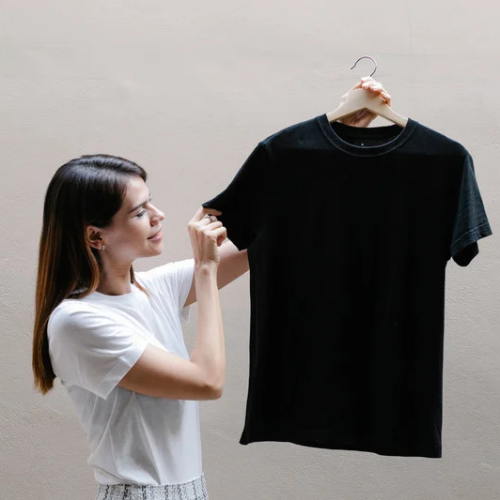
Price is often treated as a quick indicator of clothing quality, but it does not always tell the complete story. Some affordable plain T shirts can remain comfortable, retain their shape, and withstand repeated washing, while more expensive garments may show signs of wear sooner than expected.
The difference often comes down to fabric construction, stitching, fit, finishing, and how the garment is produced. For people buying T shirts for everyday wear, custom printing, resale, events, or business use, understanding these factors can help make purchasing decisions more practical.
Price Does Not Tell the Whole Quality Story
A higher price can reflect many things, including branding, packaging, design details, retail positioning, or production costs. These factors do not necessarily mean the basic garment will last longer.
Similarly, a lower price does not automatically indicate poor construction. Plain T shirts have relatively simple designs, allowing manufacturers to produce them efficiently at scale.
When comparing cheap plain t shirts, it is more useful to examine what is actually included in the product rather than judging quality from the price tag alone.
Consider:
- Fabric composition
- Fabric weight
- Stitching quality
- Fit and measurements
- Neckline construction
- Colour retention
- Shrinkage
- Washing requirements
These factors can reveal much more about expected performance.
Fabric Quality Is the First Place to Look
Fabric has a major influence on how a T shirt feels and performs.
Cotton remains popular because it is breathable, comfortable, and suitable for everyday clothing. However, cotton garments can vary considerably in texture, durability, and shrinkage depending on the fibre and manufacturing process.
GSM, or grams per square metre, is another useful specification. It indicates fabric weight and helps distinguish lighter garments from heavier ones.
However, higher GSM does not automatically mean better quality. A lighter fabric can still provide excellent performance if it has suitable construction and finishing.
The most useful approach is to consider fabric weight alongside composition, intended use, and overall construction.
Stitching Can Make a Major Difference
A T shirt can have good fabric but still perform poorly if the seams are weak.
Repeated movement puts stress on the shoulders, sleeves, neckline, and side seams. Poor stitching may lead to loose threads, open seams, or distortion after regular use.
When inspecting a sample, look for:
- Even stitching
- Secure seams
- Clean finishing
- Minimal loose threads
- Consistent seam construction
The neckline is especially important. A properly constructed collar should recover its shape after being stretched rather than becoming loose quickly.
Fit Affects More Than Appearance
Fit is usually considered a style issue, but it can also influence durability.
A garment that is too tight may experience greater tension around the shoulders, chest, and underarms. Excessive stress can contribute to faster wear in these areas.
For bulk buyers, actual garment measurements should be checked instead of relying solely on labels such as medium or large.
Useful measurements include:
- Chest width
- Body length
- Shoulder width
- Sleeve length
- Neck opening
Consistent sizing is especially important for retailers and businesses because customers expect the same size to remain reasonably predictable between orders.
Why Affordable T Shirts Can Still Be Durable
The simplicity of a plain T shirt can actually help manufacturers control costs.
There are fewer design elements, embellishments, and complex construction details compared with many fashion garments. Large-scale production can also reduce manufacturing costs.
This means an affordable garment can still have reliable fabric and construction when the manufacturing process is well controlled.
The important distinction is between reducing unnecessary costs and reducing essential quality.
A manufacturer can produce an economical T shirt without compromising basic stitching, fabric integrity, or sizing consistency.
Watch Out for Shrinkage
Shrinkage is one of the most common problems associated with cotton garments.
A T shirt can look and fit perfectly when purchased but become noticeably smaller after washing. Excessive shrinkage can affect both comfort and appearance.
Before placing a large order, check whether the garment has been pre-shrunk and follow the recommended washing instructions.
If possible, wash a sample and compare its measurements before and after washing.
Pay particular attention to:
- Body length
- Chest width
- Sleeve length
- Neckline shape
- Overall garment balance
A simple washing test can provide valuable information before a larger purchase.
Colour Retention Matters Too
A durable T shirt should maintain an acceptable appearance after repeated washing.
Poor dye quality can result in fading, colour transfer, or an uneven appearance. Dark colours may make fading particularly noticeable.
When testing samples, wash them according to the care instructions and compare them with the original garment.
For businesses purchasing large quantities, colour consistency between batches can also be important. Slight variations may become noticeable when garments are displayed together or used as part of a uniform.
Seven Checks Before Buying in Bulk
Whether purchasing for business or personal use, a simple checklist can reduce the risk of choosing unsuitable products.
1. Check the Fabric
Look at composition, GSM, texture, and expected performance.
2. Inspect the Seams
Make sure the stitching appears consistent and secure.
3. Verify Measurements
Compare actual garment measurements rather than relying only on size labels.
4. Test a Sample
A physical sample provides information that product photographs cannot.
5. Wash Before Ordering More
Check for shrinkage, fading, twisting, or neckline distortion.
6. Consider the Intended Use
A promotional T shirt may have different requirements from a garment intended for retail sale.
7. Check Supplier Consistency
If the product will be reordered, ask whether the same fabric, fit, and specifications will be maintained.
The Hidden Cost of Choosing Poor Quality
A very low unit price can become expensive if garments need to be replaced frequently.
For businesses, poor-quality clothing can also lead to customer complaints, returns, negative feedback, or problems with custom printing.
This is why buyers should consider the total value of the product rather than focusing only on the initial price.
When researching plain t shirts suppliers uk, compare supplier reliability, product consistency, minimum order quantities, and sample quality alongside the quoted price.
Choosing T Shirts for Custom Printing
Blank T shirts are frequently used for screen printing, embroidery, direct-to-garment printing, and other forms of customisation.
The fabric needs to be compatible with the chosen printing method. Texture, composition, colour, and fabric weight can all influence the final appearance.
Before purchasing a large quantity, test the actual garment with the intended printing process.
Check the finished design after washing as well. A good print applied to an unsuitable garment may still produce disappointing results.
When Paying More Can Make Sense
Affordable options can provide excellent value, but there are situations where paying more may be justified.
A slightly higher-priced garment may offer improved fabric, better construction, wider sizing, stronger colour retention, or more reliable availability.
For businesses that sell finished garments, the additional cost may be worthwhile if the improved product supports customer expectations.
The goal should not be to find the cheapest possible option or automatically choose the most expensive. Instead, identify the quality level required for the intended purpose.
Making a Smarter Buying Decision
For buyers looking for cheap plain t shirts uk, the most effective approach is to compare products systematically.
Start by identifying the required fabric weight, composition, fit, colours, and sizes. Then compare samples using the same criteria.
A simple supplier comparison can include:
| Factor | What to Check |
| Fabric | Composition, GSM and feel |
| Fit | Measurements and size consistency |
| Construction | Seams, stitching and neckline |
| Durability | Washing and shape retention |
| Colour | Fading and batch consistency |
| Price | Unit cost and order quantity |
| Supplier | Availability and repeat ordering |
This makes it easier to identify genuine value instead of being influenced by price alone.
Final Thoughts
An affordable plain T shirt can sometimes outperform a more expensive alternative because quality depends on more than the price tag. Fabric, stitching, fit, shrinkage, colour retention, and manufacturing consistency all play important roles.
The smartest way to buy is to examine these factors before placing a large order. Requesting samples, checking measurements, washing garments, and testing printing performance can prevent expensive mistakes.
For buyers seeking a cheap plain t shirt, the real objective should be dependable value. When affordability is combined with suitable fabric, reliable construction, and consistent sizing, a simple T shirt can provide long-term usefulness without unnecessary spending.