
You may not like feeling wobbly when you turn, stand or walk. Some people may have intermittent episodes of dizziness, unbalance or difficulty with movement. Others may have more persistent symptoms. These symptoms can cause low self-esteem and make everyday activities uncomfortable.
There are a number of things that can cause balance problems including problems with the inner ear, vision, neurological system or changes in how the body interprets movement. Understanding the underlying cause is an important part of finding suitable balance treatment and getting the right support.
What Can Cause Problems with Balance?
Balance requires information from different parts of the body. The vestibular system in the inner ear helps to sense movement and direction, the muscles and joints help the brain to understand where the body is and the eyes provide visual information.
If one of these systems is not functioning correctly, a person may feel dizzy or off-balance. Inner ear disorders may be particularly relevant because the vestibular system helps the brain maintain balance. But there may be other reasons for balance problems so you might want to get a professional assessment.
Common Signs That Balance May Be Affected
Not everyone experiences balance problems in the same way. Some people describe a sensation of spinning, some as if they are walking on a wobbling surface. You also might feel like you are being pulled to one side or have a problem keeping your balance when you stand up, turn, or move around.
Occasionally, balance issues may be accompanied by nausea, blurry vision, or hearing changes. New, severe, sudden or symptoms accompanied by other warning signs should be promptly evaluated by an appropriate health care professional.
How Is a Balance Problem Assessed?
A specialist will ask detailed questions about when the symptoms started, how long they last and if certain activities or environments make them worse before recommending a balance treatment. Understanding the person’s point of view may enable you to identify possible causes of the problem.
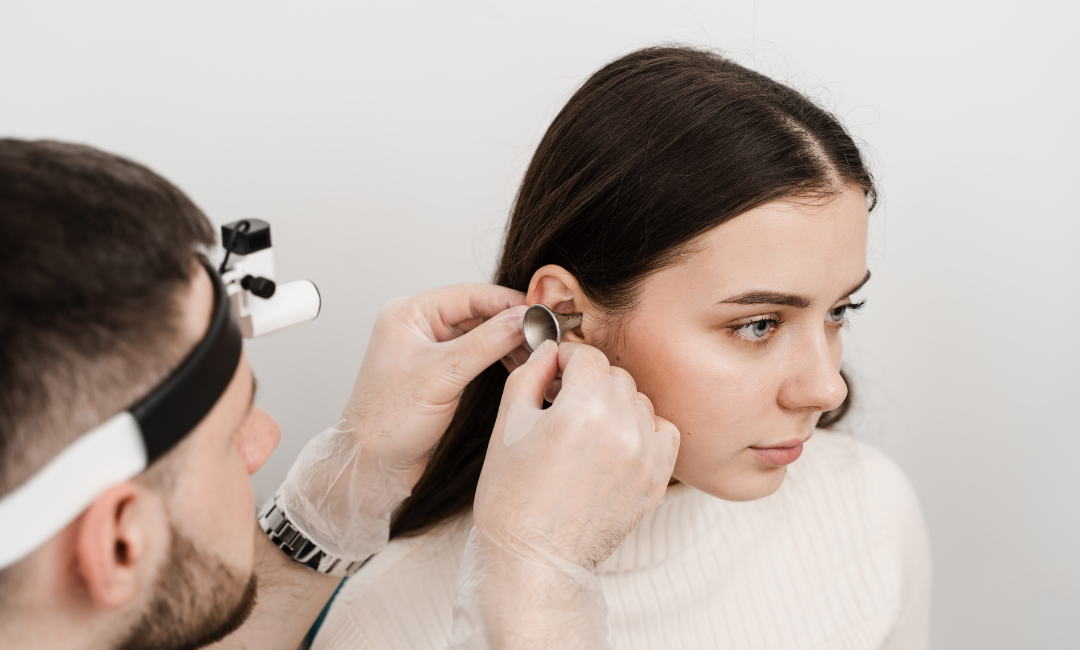
Hearing and balance tests may also be considered, depending on symptoms. These can help in evaluating the inner ear function and data that may support other proposals. It is important to have a thorough assessment as dizziness and unsteadiness can be caused by a variety of factors and require different treatments.
What Does Balance Treatment Involve?
The type of balance treatment needed depends on the underlying cause and the individual’s symptoms. Management may involve some people doing specific exercises to help the brain and body respond more effectively to movement and change in position.
Balance rehab can also focus on improving your confidence, coordination and stability in your everyday movement. Exercises are usually selected according to the needs of the individual rather than giving everyone the same program. Activities are appropriate and carried out safely with the help of professional advice.
Why Early Support Can Make a Difference
The on and off unsteadiness is easily dismissed as just getting tired or slightly off balance. But repeated episodes can gradually erode confidence, mobility and participation in daily life. Some people may start to avoid stairs, crowded places or things they used to enjoy doing.
Seeking professional advice can help you find out what may be contributing factors and give you a better idea of what’s going on. So with the right balance treatment it may be possible to treat the underlying problem and enable safer, more confident movement.
Finding the Right Support for Balance Concerns
Do not ignore symptoms if they persist or recur, but feeling wobbly is not usually a sign of a serious problem. Balance relies on a number of interrelated systems, so awareness of the potential cause is needed to determine what kind of support may be needed.
In Ireland, they provide hearing and balance-related assessment and care. Their staff can help people explore balance issues and learn about potential balance treatment solutions for balance treatment based on their symptoms. Still feeling light-headed or unsteady, you should talk to Audiology Clinic for professional advice and the right course of action.