
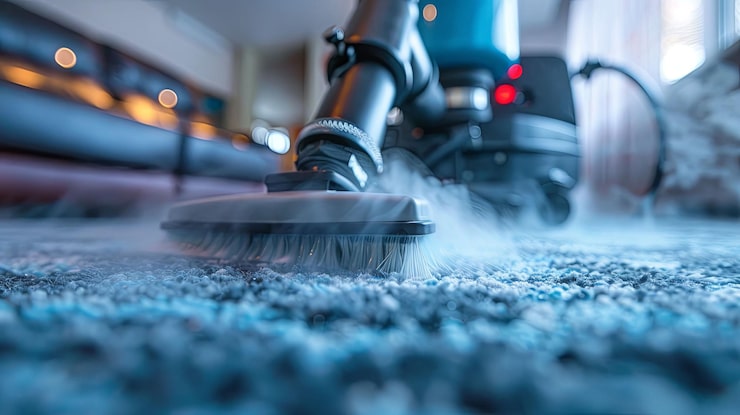
Rugs add warmth, comfort, and character to a room, but they also collect much more than what is visible on the surface. Dust, pet hair, food particles, soil, and everyday debris can gradually become trapped between fibers, especially in areas with frequent foot traffic. Regular vacuuming is useful for removing loose dirt, but it may not reach everything hidden within the rug. This is where professional Rug Cleaning becomes an important part of maintaining a cleaner home. Deep cleaning can help address embedded debris, stubborn stains, and accumulated residues that routine maintenance may leave behind. Understanding how dirt builds up inside rugs can help homeowners choose better cleaning practices and protect their rugs from unnecessary wear.
Rugs Collect More Dirt Than Meets the Eye
A rug can act like a filter for everyday household debris. Each time people walk across it, small particles from shoes, clothing, pets, and surrounding areas can settle into the fibers. Over time, this accumulation can become difficult to notice because much of it sits below the visible surface.
Fine dust and soil particles can work their way deeper into the rug through repeated foot traffic. Food crumbs, pet hair, and other debris may also become lodged between individual fibers. Although the rug may appear reasonably clean, the hidden buildup can affect its overall freshness. Regular maintenance helps control this accumulation, but deeper cleaning is often needed when dirt has become embedded.
Vacuuming Helps but Does Not Do Everything
Routine vacuuming is one of the simplest ways to maintain a rug. It removes loose particles before they have an opportunity to settle deeply and helps reduce the amount of debris carried further into the fibers. However, vacuuming has limitations, particularly when dealing with compacted dirt or residues.
The effectiveness of vacuuming can also depend on the rug’s construction, pile height, and material. Some particles may become lodged beneath the upper layer where ordinary vacuuming cannot effectively reach them. This does not make vacuuming unnecessary; instead, it highlights the importance of combining routine care with periodic deep cleaning. A balanced approach can help rugs remain cleaner between professional services.
Foot Traffic Can Push Dirt Deeper
High-traffic areas often show signs of wear faster than less-used sections of a rug. Every step applies pressure that can push loose dirt further into the fibers. Over time, this combination of pressure and debris can contribute to a dull or flattened appearance.
Entrances, hallways, living rooms, and areas around seating are particularly vulnerable because they experience repeated movement throughout the day. Dirt trapped in these areas can become increasingly difficult to remove through surface-level cleaning alone. Deep cleaning can help loosen and extract accumulated particles, giving the rug a more thorough clean and helping reduce the impact of long-term foot traffic.
Stains Can Become More Difficult Over Time
Spills are another common challenge for rugs. When a liquid containing food, beverages, or other substances is left untreated, it can penetrate the fibers and leave behind visible discoloration or residue. Attempting to remove an old stain without considering the rug’s material can sometimes make the situation worse.
Prompt attention is generally the best approach. Blotting a fresh spill instead of aggressively rubbing it can help prevent the substance from spreading. However, older or stubborn stains may require specialized cleaning methods. Professional cleaners can assess the material and condition of the rug before selecting an appropriate treatment, reducing the risk of unnecessary damage.
Pet Hair and Dander Add to Hidden Buildup
Homes with pets can experience additional rug-cleaning challenges. Hair, dander, dirt tracked in from outside, and occasional accidents can all contribute to buildup. Pet hair can become tangled within rug fibers, while dander and fine particles may settle deeper into the material.
Regular vacuuming can help manage loose pet hair, but deeply embedded debris may remain. Rugs in areas where pets frequently sleep or play can require more attention than rugs in low-use rooms. A consistent cleaning routine can help reduce accumulated debris and maintain a fresher environment throughout the home.
Deep Cleaning Helps Address Embedded Debris
Professional deep cleaning is designed to go beyond what ordinary vacuuming can achieve. Depending on the rug’s construction and material, specialized equipment and cleaning methods can help loosen embedded dirt and extract residues from deeper within the fibers.
The exact process should always be adapted to the rug. Different materials can have different cleaning requirements, and using an unsuitable method may cause problems such as color changes, excessive moisture, or fiber damage. Professional assessment is therefore an important part of effective rug care. Properly performed deep cleaning can refresh the appearance of a rug while addressing buildup that routine maintenance may leave behind.
Clean Rugs Can Support Better Home Maintenance
Keeping rugs clean is not only about appearance. Regular maintenance can help reduce the amount of dust, dirt, and debris circulating around a living space. Rugs that are frequently cleaned can also be easier to maintain because heavy buildup is addressed before it becomes more difficult to remove.
A practical routine may include regular vacuuming, immediate attention to spills, rotating rugs where appropriate, and scheduling professional cleaning when needed. This combination helps prevent everyday debris from becoming a long-term problem. It also allows homeowners to identify changes in a rug’s condition before minor issues become more noticeable.
Cleaning Frequency Depends on the Home
There is no single cleaning schedule that works for every rug. A rug in a quiet guest room may require less frequent deep cleaning than one placed in a busy family room. Homes with children or pets may also experience faster accumulation of dirt and debris.
Traffic levels, rug material, household activity, and exposure to spills should all be considered when planning maintenance. Instead of waiting until a rug looks heavily soiled, homeowners can pay attention to changes in texture, color, odor, and overall appearance. Regular professional assessment and cleaning can help maintain rugs more effectively over time.
Protecting Rugs through Consistent Care
Deep cleaning should not replace everyday maintenance. Instead, the two approaches work together. Vacuuming helps remove loose dirt, while professional cleaning can address deeper buildup that accumulates despite regular care.
Homeowners can also extend the life of their rugs by using entrance mats, removing shoes where practical, treating spills quickly, and avoiding harsh cleaning products. Moving furniture periodically can help prevent uneven wear and permanent impressions. These small habits can make a significant difference in how a rug looks and performs over the years.
Conclusion
Rugs are exposed to constant activity, making them natural collectors of dust, dirt, pet hair, stains, and other debris. While regular vacuuming is essential, it cannot always remove particles that have become embedded deep within the fibers. Periodic deep cleaning provides a more thorough approach to removing accumulated debris and maintaining the rug’s appearance and condition. For homeowners seeking professional assistance, Aery’s Carpet & Tile Cleaning offers rug cleaning services designed to help refresh rugs and address deeper buildup. Combining professional care with consistent household maintenance can help keep rugs cleaner, fresher, and better protected for longer.