
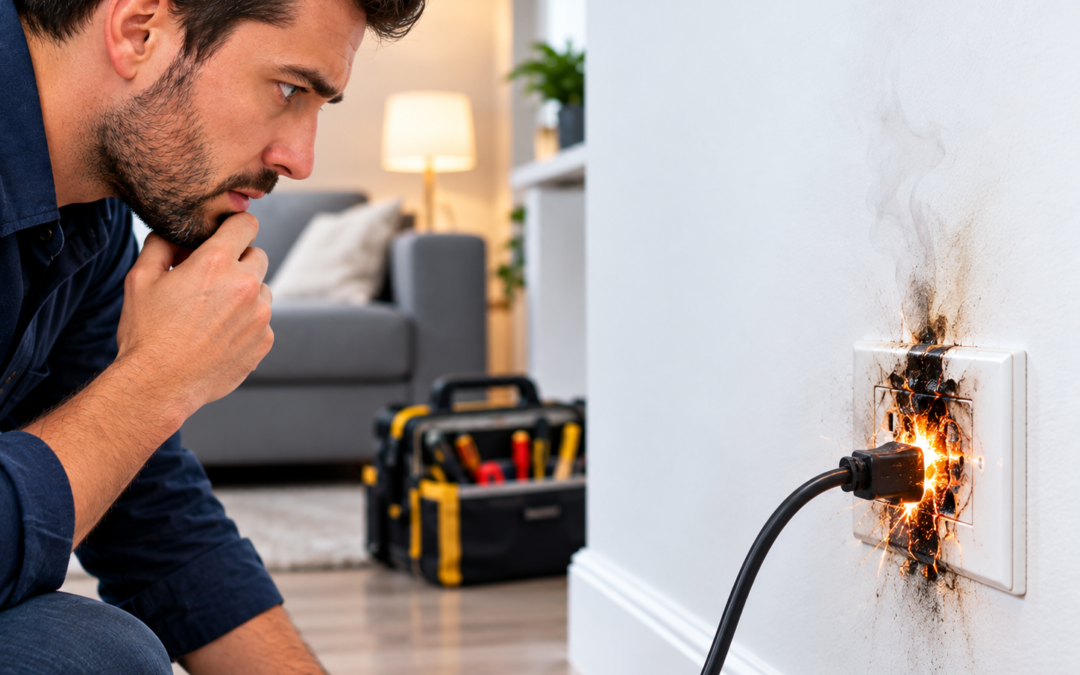
Electrical problems can appear suddenly, sometimes at the most inconvenient time. A tripped circuit breaker may seem minor, while flickering lights or a burning smell can be easy to overlook. However, electrical faults can develop into more serious problems when they are ignored or repairs are postponed. Understanding the risks associated with delayed electrical repairs can help property owners respond more safely and make informed decisions when an emergency occurs.
Why Electrical Emergencies Require Prompt Attention
Unlike many routine household repairs, electrical problems can involve hidden hazards behind walls, inside outlets, or within electrical panels. A fault that appears relatively small may indicate damaged wiring, overloaded circuits, loose connections, or another underlying issue.
Ignoring these warning signs can allow the problem to continue unnoticed. Prompt assessment from a qualified professional can help identify the source of the fault and determine what corrective action is required.
Fire Risks Associated With Electrical Faults
One of the most serious concerns associated with electrical problems is the possibility of overheating and fire. Damaged wires, loose connections, overloaded circuits, and faulty electrical components can generate excessive heat.
Warning signs such as a burning odour, scorch marks, buzzing sounds, warm outlets, or repeated breaker trips should not be treated as ordinary inconveniences. Continuing to use affected equipment or circuits may increase the risk of further damage.
Where there is an immediate electrical safety concern, contacting an emergency electrician 24 hours can provide access to professional assistance outside standard working hours.
Electrical Damage Can Become More Extensive
Delaying an electrical repair does not necessarily mean the original problem will remain at the same level. A loose connection, damaged cable, or faulty component can place additional strain on other parts of an electrical system.
Over time, this may result in additional failures, damaged appliances, or disruption to essential systems. Addressing the underlying problem early can help prevent a relatively contained fault from becoming a more complicated electrical repair.
The Importance of Recognising Warning Signs
Property owners should pay attention to changes in electrical performance. Common warning signs include:
- Frequent circuit breaker trips
- Flickering or dimming lights
- Buzzing or crackling from outlets or switches
- Burning or unusual electrical smells
- Warm or discoloured sockets
- Sparks when using an outlet
- Unexpected power loss in part of a property
- Appliances behaving unusually
These symptoms do not always indicate the same underlying fault, which is why electrical issues should be assessed by an appropriately qualified professional rather than diagnosed through guesswork.
What to Do During an Electrical Emergency
Safety should come first when an electrical emergency occurs. Avoid touching exposed wires, damaged electrical components, or areas affected by water. If it is safe to do so, switching off the relevant electrical supply may help reduce immediate risk. However, people should not attempt repairs themselves when doing so could expose them to electrical hazards.
If there is smoke, fire, a strong burning smell, or another immediate danger, occupants should move to a safe location and contact the appropriate emergency services.
For less immediate but urgent electrical faults, professional electrical assistance can help determine the safest next step.
Why Professional Assessment Matters
Electrical systems can be complex, and visible symptoms do not always reveal the actual source of a problem. A professional electrician can inspect the affected area, identify potential faults, and recommend suitable repairs.
Professional assessment is particularly important when an electrical issue occurs outside normal business hours. Access to 24-hour emergency electrical support can be useful when a serious fault cannot safely wait until the next working day.
Preventing Future Electrical Emergencies
Regular attention to electrical systems can reduce the likelihood of unexpected problems. Property owners can help maintain electrical safety by avoiding overloaded outlets, replacing visibly damaged cables, using electrical equipment appropriately, and arranging professional inspections when problems repeatedly occur.
Older properties may also benefit from an electrical assessment to identify outdated components or wiring that could require attention.
Final Thoughts
Electrical emergencies should never be dismissed simply because the initial symptoms appear minor. Delayed repairs can increase the possibility of fire, equipment damage, electrical disruption, and more extensive faults. Recognising warning signs and seeking qualified professional assistance at the right time can help protect both people and property.
The safest approach is to treat unusual electrical behaviour seriously, avoid attempting hazardous repairs, and seek professional assistance when an electrical problem requires immediate attention.