
Pain and restricted movement rarely happen without a reason. They often develop gradually through repetitive activities, poor posture, muscle overuse, previous injuries, or the physical demands of everyday life. While temporary discomfort may improve with rest, persistent symptoms usually require a more comprehensive approach that looks beyond the painful area itself. This is one reason many people explore osteopathy massage therapy as part of their recovery. By combining skilled hands-on techniques with a detailed understanding of body mechanics, this approach aims to improve movement, reduce muscular tension, and support the body’s natural ability to function more efficiently. Rather than offering a short-term solution, treatment focuses on helping individuals move with greater ease and maintain healthier movement patterns over time.
Understanding Why Movement Changes
Many people notice pain before they notice changes in the way they move. A stiff neck may lead to altered posture, while lower back discomfort can cause someone to favour one side of the body without realising it. Over time, these compensations place extra stress on muscles and joints, sometimes creating new areas of discomfort. Effective treatment begins by identifying these movement changes rather than focusing solely on the painful area. Understanding how the entire body works together allows practitioners to address contributing factors that may otherwise remain unnoticed.
More Than a Traditional Massage
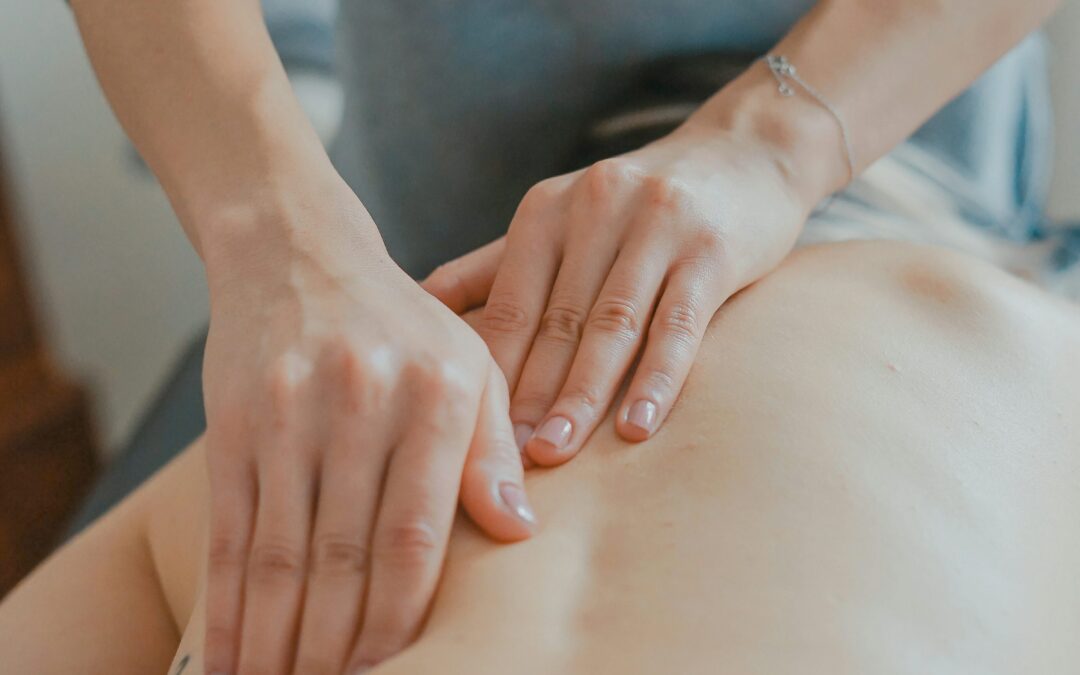
Although massage is an important part of many treatment plans, osteopathy massage therapy offers a broader clinical approach. The goal is not simply to relax tight muscles but to understand why those muscles have become tense in the first place. Practitioners assess posture, joint mobility, muscular balance, and movement patterns before deciding which manual techniques are most appropriate. This combination of assessment and hands-on care allows treatment to be tailored to the individual’s needs instead of providing the same massage routine for every patient. It is this personalised approach that makes the therapy particularly valuable for ongoing musculoskeletal concerns.
Helping the Body Move More Naturally
Healthy movement depends on muscles, joints, and connective tissues working together efficiently. When one area becomes restricted, the body often compensates by placing greater demands on surrounding structures. Over time, these altered movement patterns can reduce flexibility and contribute to recurring discomfort. Hands-on techniques are used to improve joint mobility, ease muscular tightness, and encourage smoother movement throughout the body. As movement becomes more balanced, everyday activities such as walking, bending, reaching, or lifting often feel easier and more comfortable to perform.
Supporting Recovery After Injury
Recovery does not end when pain begins to settle. After an injury, muscles and joints often require time to regain their normal function, coordination, and flexibility. Professional treatment helps support this process by addressing lingering stiffness and encouraging healthy movement during rehabilitation. Whether discomfort developed through sport, work, or everyday activities, treatment plans are adjusted to reflect each stage of recovery. This gradual approach helps individuals rebuild confidence while reducing the likelihood of returning to activities before the body is fully prepared.
Why Personalised Treatment Delivers Better Results
No two people experience pain in exactly the same way. Even if symptoms appear similar, the underlying causes may be completely different. Lifestyle, occupation, previous injuries, activity levels, and general health all influence how the body responds to treatment. For this reason, personalised care is central to osteopathy massage therapy. Every treatment plan is developed around the individual’s needs and reviewed regularly as recovery progresses. Many patients also benefit from mobility improvement therapy, where improving movement quality becomes just as important as relieving discomfort.
Everyday Habits Influence Long-Term Recovery
Treatment sessions are only one part of improving musculoskeletal health. Daily posture, workplace ergonomics, exercise habits, and movement patterns all influence how the body performs over time. Professional guidance often includes practical advice that patients can apply between appointments, helping them support recovery outside the clinic. Small adjustments made consistently may reduce unnecessary strain and encourage healthier movement throughout everyday life. This educational aspect empowers patients to take an active role in maintaining their physical wellbeing long after treatment has finished.
A Whole-Body Perspective on Pain Management
Pain is not always caused by damage where it is felt. Tight hips may contribute to lower back discomfort, restricted shoulders can affect the neck, and poor movement habits may influence several areas simultaneously. Looking at the body as an interconnected system allows practitioners to identify relationships that may otherwise be overlooked. This whole-body perspective helps create treatment plans that aim to improve overall function rather than focusing on isolated symptoms. Patients often find this approach valuable because it supports both current recovery and future physical resilience.
Choosing Care That Supports Long-Term Movement
Improving movement is not only about recovering from pain – it is also about maintaining an active and independent lifestyle for years to come. Healthy joints, balanced muscles, and efficient movement patterns reduce unnecessary strain during everyday activities while supporting physical confidence. Professional care, combined with realistic self-management strategies, helps individuals continue looking after their musculoskeletal health long after symptoms improve. Investing in movement today often contributes to better mobility and greater comfort in the future.
Final Thoughts
Pain relief becomes more meaningful when it is accompanied by improved movement and a better understanding of how the body functions. Osteopathy massage therapy offers more than temporary relaxation by combining detailed assessment with personalised hands-on care that addresses the factors contributing to discomfort. Whether you’re recovering from an injury, managing ongoing muscular tension, or looking to move more freely, Osteo Therapy provides tailored treatment designed to restore natural movement, support long-term musculoskeletal health, and help you stay active in everyday life.