
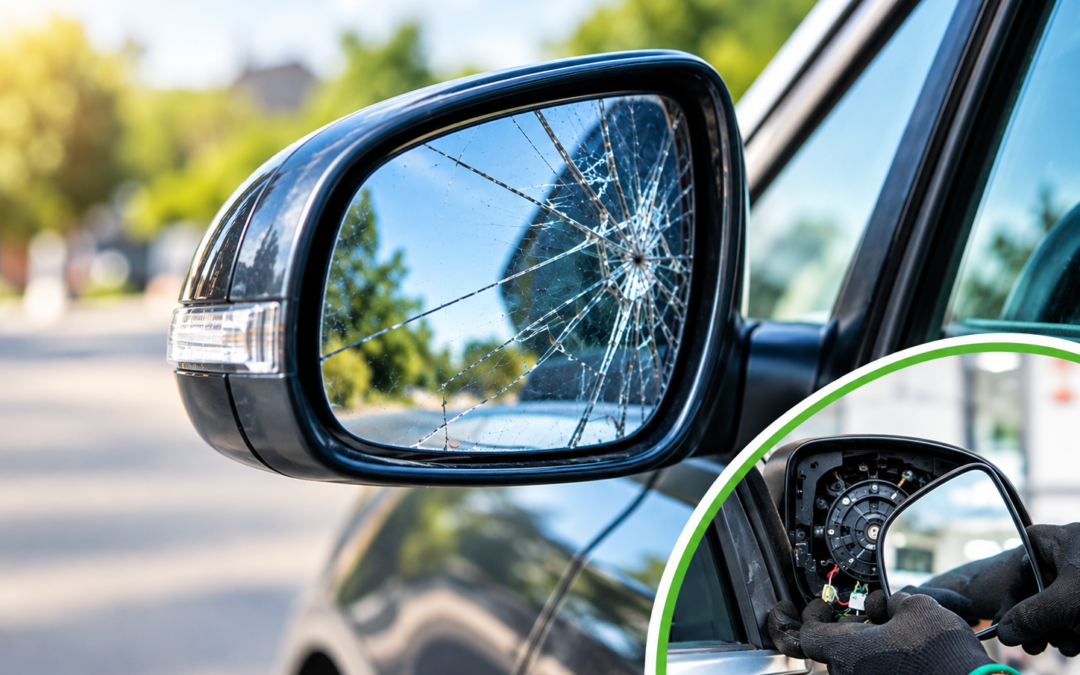
A driver-side mirror is an essential part of a vehicle’s visibility system. It allows motorists to monitor surrounding traffic, check blind spots and manoeuvre more confidently. Because the mirror is positioned on the outer edge of the vehicle, it is also vulnerable to impacts, scratches and everyday wear. Understanding what causes driver-side mirror damage and recognising when professional attention is needed can help prevent a minor problem from becoming a larger one.
Common Causes of Driver-Side Mirror Damage
Side mirrors can be damaged in many different situations. Parking incidents are one of the most common causes, particularly in narrow parking spaces or busy areas. A mirror can also be struck by another vehicle, a cyclist, a stationary object or roadside obstruction.
Weather and environmental conditions may contribute to deterioration over time. Repeated exposure to sunlight, rain, dust and temperature changes can affect plastic housings, mirror surfaces and electrical components.
Regular use can also cause mechanical wear. Power-folding mechanisms, adjustment motors and other moving components may eventually develop faults, particularly when they are used frequently.
Cracked or Broken Mirror Glass
Glass damage is one of the easiest problems to identify. A crack, chip or completely broken reflective surface can significantly reduce visibility.
In some cases, only the glass needs to be replaced while the housing and internal mechanisms remain functional. However, continuing to drive with severely damaged glass can make it difficult to judge surrounding vehicles accurately.
Drivers should therefore address significant glass damage rather than treating it as a cosmetic issue.
Damage to the Mirror Housing
The outer housing protects the internal components from moisture, dirt and road debris. A collision can crack, split or loosen the housing even when the glass appears relatively intact.
A damaged casing can expose internal components and allow further deterioration. If the housing no longer holds the mirror securely or has moved out of its original position, it should be inspected to determine whether additional components have been affected.
Problems With Electric Adjustment
Modern vehicles commonly feature electrically adjustable side mirrors. These systems use small motors and mechanical components to move the mirror into the desired position.
If the driver-side mirror stops responding to the adjustment controls, moves unevenly or becomes stuck, the problem may be related to the motor, wiring, switch or internal mechanism.
Replacing the glass alone would not solve this type of fault, which is why identifying the source of the problem is important.
Folding Mechanism Faults
Many vehicles are equipped with folding mirrors to make parking and manoeuvring easier. Depending on the vehicle, the folding function may operate manually or through an electric mechanism.
An impact can damage the folding joint or internal mechanism, causing the mirror to remain folded, refuse to fold or move incorrectly. Unusual noises or resistance during operation can also indicate a mechanical issue.
A damaged folding mechanism should be assessed rather than repeatedly forced, as doing so may increase the damage.
Electrical and Indicator Problems
Some driver-side mirrors incorporate additional electrical features, such as heated glass, turn indicators or other integrated functions. An accident or impact can damage wiring or connections even when the external mirror appears acceptable.
If an integrated indicator stops working or a heated mirror no longer performs as expected, the issue may require electrical diagnosis. Identifying the specific failed component can help determine the most appropriate repair.
When Should a Driver-Side Mirror Be Repaired?
Not every mirror problem requires immediate complete replacement, but damaged mirrors should not be ignored. Professional assessment is particularly important when the glass is cracked, the housing is unstable, the mirror cannot be adjusted correctly or electrical features have stopped working.
The appropriate solution depends on the type and extent of damage. In some cases, an individual component can be repaired or replaced. More extensive damage involving several components may make replacement of the complete assembly more practical.
Why Professional Assessment Matters
A side mirror may look simple from the outside, but modern assemblies can contain several interconnected mechanical and electrical components. A visible crack may therefore not be the only problem following an impact.
A professional inspection can help identify hidden damage and determine which parts are still functioning correctly. This can prevent unnecessary replacement while ensuring important safety and visibility issues are properly addressed.
Final Thoughts
Driver-side mirror damage can result from anything from a minor parking incident to a significant collision, while mechanical and electrical faults can develop through regular use. Whether the problem involves glass, the housing, adjustment motor, folding mechanism or wiring, the right solution depends on accurately identifying the cause.
Drivers should avoid delaying repairs when mirror damage affects visibility or functionality. Having the problem assessed promptly can help restore the mirror’s performance and ensure the vehicle continues to provide the visibility needed for safer driving.