
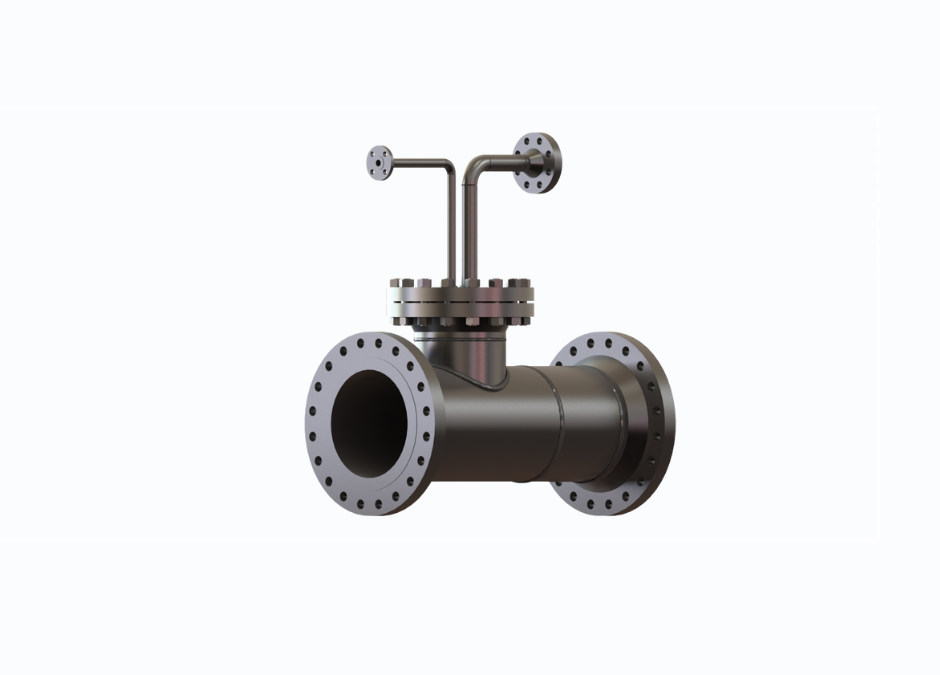
Industrial steam systems are designed to transport thermal energy efficiently, but steam often becomes superheated during generation and distribution. While this improves transport efficiency, many downstream processes require steam to be close to its saturated condition for optimal heat transfer. This is where boiler desuperheaters play an essential role by reducing steam temperature without significantly affecting system pressure. At Croll Reynolds, engineered steam cooling solutions are designed to deliver precise temperature control while maintaining process efficiency and reliability across a wide range of industrial applications.
Understanding Steam Cooling Requirements
Superheated steam contains additional thermal energy above its saturation temperature. Although this characteristic reduces condensation losses during transportation, it can lower the effectiveness of equipment such as heat exchangers, evaporators, dryers, and process heaters. In these applications, saturated or slightly superheated steam provides more efficient heat transfer because condensation releases a large amount of latent heat.
Steam cooling bridges this gap by reducing excess temperature while preserving the pressure required for the process. The objective is not simply to cool the steam but to achieve precise outlet temperatures that support stable production conditions.
Why Pressure Drop Matters
Pressure is one of the most valuable parameters in an industrial steam system. Excessive pressure losses can reduce equipment efficiency, increase operating costs, and negatively affect downstream processes.
An effective steam cooling system is designed to minimize pressure loss while still providing rapid and complete evaporation of the injected cooling water. Maintaining pressure offers several operational benefits:
- Stable process conditions
- Improved heat transfer efficiency
- Lower energy consumption
- Better equipment performance
- Reduced operational disruptions
Achieving these outcomes requires careful engineering of flow paths, water injection methods, and internal mixing characteristics.
The Principle of Direct Contact Cooling
One of the most efficient methods of steam temperature reduction is direct contact cooling.
In this process, a controlled amount of clean, pressurized water is injected directly into the flowing steam. The water absorbs heat from the steam and evaporates almost instantly. This evaporation removes excess superheat until the desired outlet temperature is reached.
Unlike indirect cooling systems that rely on additional heat exchangers, direct contact cooling offers faster thermal response, simpler installation, and higher overall efficiency.
The effectiveness of this process depends on how uniformly the cooling water is distributed and how quickly it evaporates within the steam flow.
Importance of Fine Water Atomization
Successful steam cooling relies on producing extremely small water droplets.
Large droplets require more time to evaporate and may travel through the pipeline without complete vaporization. This can create moisture accumulation, temperature fluctuations, and potential damage to downstream equipment.
Fine atomization significantly improves performance because it:
- Increases total surface area available for heat transfer
- Accelerates evaporation
- Produces uniform temperature distribution
- Reduces thermal shock
- Enhances control accuracy
Modern nozzle designs generate finely dispersed droplets that mix efficiently with high-velocity steam, ensuring rapid and complete evaporation.
Optimized Mixing Improves Cooling Efficiency
Efficient cooling depends not only on atomization but also on how effectively water and steam mix.
Engineered internal flow geometries create controlled turbulence that distributes cooling water evenly throughout the steam stream. Proper mixing eliminates localized hot or cold zones while promoting consistent outlet temperatures.
Uniform mixing also minimizes the risk of pipeline erosion caused by concentrated water streams striking internal surfaces.
Carefully designed flow passages ensure that cooling occurs smoothly over a short distance without creating unnecessary flow resistance.
Maintaining Low Pressure Loss through Smart Design
Minimal pressure drop is achieved through optimized internal geometry rather than restricting steam flow.
Smooth transitions between inlet, mixing, and outlet sections allow steam to maintain velocity while avoiding excessive turbulence that contributes to pressure losses.
Several design principles contribute to efficient pressure recovery:
- Streamlined flow passages
- Controlled expansion sections
- Balanced steam velocity
- Efficient water dispersion
- Reduced internal obstructions
These features enable the cooling process to occur with very little impact on system pressure, allowing downstream equipment to continue operating under stable conditions.
Precise Temperature Control
Industrial processes often require steam temperatures to remain within narrow operating limits.
Advanced temperature control systems continuously monitor outlet steam temperature and automatically adjust cooling water flow as process conditions change.
This closed-loop control provides several advantages:
- Consistent product quality
- Reduced energy waste
- Improved process stability
- Faster response to load changes
- Enhanced operational safety
Accurate temperature regulation becomes especially important in facilities where steam demand varies throughout production cycles.
Operational Benefits across Industries
Efficient steam cooling supports numerous industrial applications where precise thermal control is essential.
Common sectors include:
- Chemical processing
- Oil and gas refining
- Power generation
- Food processing
- Pulp and paper manufacturing
- Pharmaceutical production
- Textile processing
In each of these industries, maintaining proper steam temperature improves equipment performance while supporting consistent manufacturing quality.
Reduced Maintenance Requirements
Well-designed steam cooling systems contain few or no moving mechanical components within the steam flow path.
This simplicity offers several maintenance advantages:
- Lower wear rates
- Increased equipment reliability
- Longer service life
- Reduced maintenance costs
- Minimal downtime
Proper water distribution also helps prevent internal erosion, scaling, and thermal stress that can shorten equipment lifespan.
Routine inspection of nozzles, temperature instrumentation, and water supply systems is generally sufficient to maintain long-term performance.
Supporting Sustainable Industrial Operations
Energy efficiency has become a major priority for industrial facilities seeking to reduce operating costs and environmental impact.
Optimized steam cooling contributes to sustainability by:
- Improving overall heat transfer efficiency
- Reducing unnecessary fuel consumption
- Minimizing steam waste
- Lowering process energy requirements
- Supporting efficient utilization of existing steam systems
These improvements not only decrease operating expenses but also contribute to broader environmental and energy management objectives.
Conclusion
Selecting the right Boiler Desuperheaters solution is essential for achieving accurate steam temperature control while maintaining minimal pressure loss throughout the steam distribution system. Efficient water atomization, optimized internal flow design, rapid evaporation, and precise temperature regulation all work together to deliver reliable cooling performance for demanding industrial applications. With decades of expertise in steam process engineering, Croll Reynolds provides advanced solutions that help industries improve heat transfer efficiency, reduce operating costs, enhance system reliability, and support long-term operational performance.