
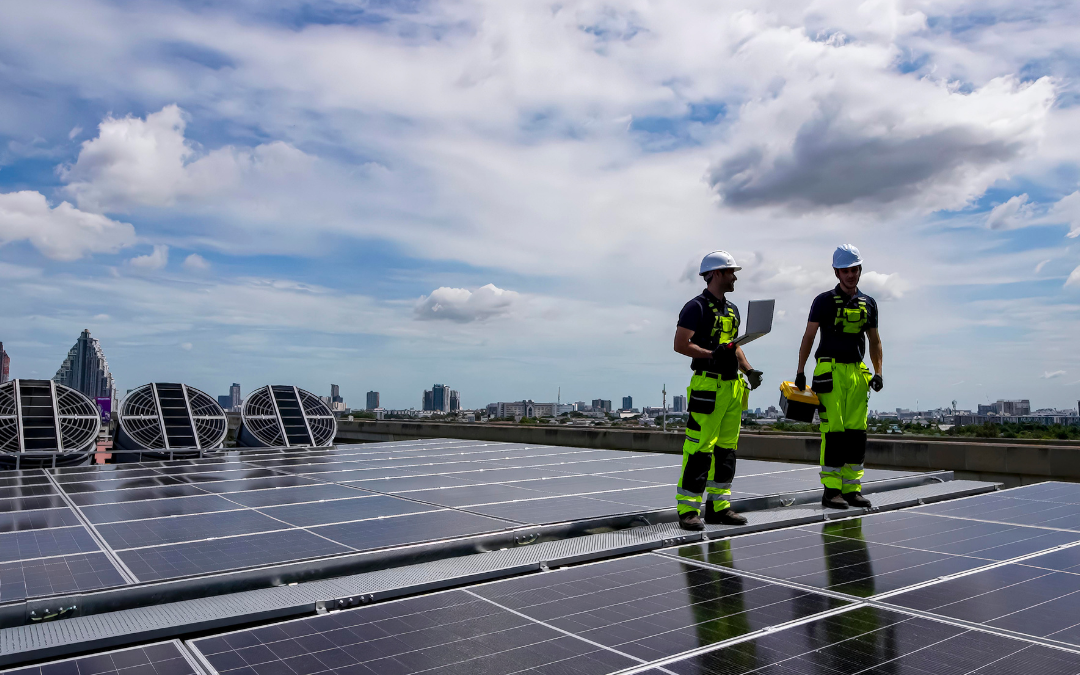
The way homeowners see energy use is shifting pretty quickly. Electricity prices are climbing, new clean technology is getting better , and people are paying more attention to sustainable living so the whole approach to household planning is getting a big makeover. In 2026, many homeowners aren’t looking at solar as just a nice, optional home add-on. It’s becoming a core piece of long term money thinking and energy planning, kind of like a dependable cornerstone rather than a side idea.
The Growing Demand for Smart Energy Solutions
Residential solar panel installation is slowly turning into a main piece in today’s home energy planning, i mean it’s not just about a quick win anymore. Rather than aiming only at cutting electricity bills, many homeowners are putting together a sort of full energy ecosystem—something that helps raise overall efficiency and gives noticeably better command over how energy is used, day to day.
Current households are looking for answers that bring both fast savings and steady advantages. And as technology keeps improving, solar setups are getting more reachable for homeowners, also they’re getting more flexible, so they can fit different household routines and needs, better.
Smart Technology Is Reshaping Energy Management
One of the biggest changes in 2026 is the growing use of smart technology inside energy systems, and honestly it feels like it happens faster than before. Modern solar setups now let homeowners watch energy production and overall consumption from mobile applications, plus other connected devices that seem to “just work”.
Real-time monitoring helps people catch usage patterns, spot when certain activities burn more energy than expected and then make smarter choices about how they consume power. That kind of control tends to boost efficiency and gives a steadier energy management rhythm across the home , not only during peak times but throughout the day.
Battery Storage Is Becoming a Key Component
Battery storage systems are kind of reshaping the way homes handle electricity. Rather than promptly pushing surplus power straight into the grid, many homeowners are now keeping that generated energy for later use, like a quiet reserve.
The energy saved up can act as backup when outages happen and can also cut down on how much they rely on grid electricity during those higher cost peak pricing windows. Over all, this makes the household energy setup more flexible, and more dependable, too.
Electric Vehicle Integration Is Influencing Energy Planning
More and more people are noticing that electric vehicles are changing how households think about energy. A lot of homeowners now trying to set up energy plans that, well, can handle future EV charging needs.
If you add solar powered EV charging solutions into the mix it can lower transportation expenses, and it also lets households make fuller use of the clean energy they create at home.
Financial Benefits Continue to Drive Adoption
More and more people are noticing that electric vehicles are changing how households think about energy. A lot of homeowners now trying to set up energy plans that, well, can handle future EV charging needs.
If you add solar powered EV charging solutions into the mix it can lower transportation expenses, and it also lets households make fuller use of the clean energy they create at home.
Sustainability Is Becoming a Household Priority
Environmental awareness is still shaping the way people choose what to buy and how they live. More families are actively hunting for methods to lower their environmental footprint and to switch over to cleaner energy options, really.
Solar energy helps push those goals forward, because it cuts reliance on the usual energy sources , and it also helps bring down carbon emissions.
Conclusion
In 2026, home energy planning is kinda shifting past the basic “save power” routines and moving toward more integrated systems, built for efficiency and reliability, plus long-term worth . Instead of just tweaking a few habits here and there, people are weaving in smart tech, battery storage, and EV integration, and then pairing it with sustainable living habits, almost like everything is connected.
Since energy needs keep changing, homeowners are also leaning toward smarter options that give them more independence and help build a more sustainable tomorrow.