
Introduction
Choosing the right plain sweatshirts can make a significant difference when you are looking for comfortable everyday clothing or planning a custom printing project. While a sweatshirt may appear to be a simple wardrobe basic, factors such as fabric composition, weight, fit, construction, color and surface texture can all influence its comfort, appearance and suitability for printing. A well-selected sweatshirt can work for casual outfits, promotional clothing, uniforms, sports teams, events and personalized fashion. Whether you are purchasing garments for personal use or sourcing blanks for a larger project, understanding what to look for can help you avoid poor-quality materials and achieve better results.
Consider the Fabric and Material Composition
Fabric is one of the most important factors to consider when selecting a sweatshirt. Cotton is popular because it is soft, breathable and comfortable against the skin. It can also provide a natural surface that works well for many types of customization.
Polyester and cotton-polyester blends offer different benefits. Polyester can improve durability, shape retention and moisture management, while blended fabrics can provide a balance between comfort and performance. Before purchasing, check the fabric composition and consider how the sweatshirt will be used.
For everyday wear, comfort and breathability may be the main priorities. For sportswear, work-wear or frequent washing, durability and moisture management may become more important.
Choose the Right Sweatshirt Weight
Sweatshirt weight affects both comfort and practicality. Lightweight sweatshirts are suitable for layering and milder weather, while heavier options can provide additional warmth during colder conditions.
If you plan to print a detailed design, the fabric weight can also influence how the finished garment feels and looks. A heavier sweatshirt may provide a more substantial appearance, whereas a lightweight style can create a more relaxed and flexible garment.
Consider the intended season, climate and purpose before making a choice. If the sweatshirts will be used throughout the year, selecting a medium-weight option may provide greater versatility.
Look for a Suitable Surface for Custom Printing
Not every sweatshirt is equally suitable for every printing method. The fabric composition, weave, color and texture can affect how a design appears after printing.
Screen printing, embroidery, direct-to-garment printing and heat-transfer methods each have different requirements. A smooth, consistent surface can make it easier to achieve a clean-looking design, particularly when the artwork contains fine details or multiple colors.
It is also important to think about the placement and size of the design. Large front graphics, small chest logos and sleeve artwork may require different approaches. If you are ordering garments specifically for customization, check whether the supplier provides information about printing compatibility.
Pay Attention to Fit and Sizing
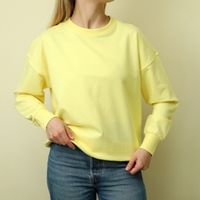
A sweatshirt can have excellent fabric quality but still feel uncomfortable if the fit is unsuitable. Common options include regular, relaxed, oversized and fitted styles.
For everyday casual wear, a regular or relaxed fit can provide freedom of movement and make layering easier. Oversized sweatshirts can create a more contemporary appearance, while fitted designs may work better for people who prefer a closer silhouette.
Sizing can also vary between manufacturers. Rather than relying only on standard labels such as small, medium or large, review the actual garment measurements whenever possible. This is particularly important when purchasing garments in bulk for teams, businesses or events.
Select Colors Carefully
Color selection matters for both everyday clothing and customized garments. Neutral shades such as black, white, grey and navy can provide versatility and work with a wide range of outfits.
If you are planning custom printing, consider how the garment color will interact with the artwork. A design should have enough contrast against the sweatshirt to remain clear and readable. Some printing techniques may also produce different results depending on whether the garment is light or dark.
For businesses and organizations, colors may also need to match existing branding. Ordering samples before a large purchase can help confirm that the actual garment color meets expectations.
Check Construction and Finishing Details
Quality is not determined by fabric alone. Pay attention to details such as stitching, cuffs, waistband construction, seams and neckline finishing.
Strong stitching can help a sweatshirt withstand repeated use and washing. Ribbed cuffs and waistbands can help maintain the garment’s shape, while a well-constructed neckline can improve comfort and durability.
If you are buying in bulk, inspect a sample garment carefully before placing a larger order. Look for loose threads, uneven seams, inconsistent sizing or other manufacturing issues. These small details can become more noticeable when ordering large quantities.
Think About Washing and Long-Term Care
A sweatshirt intended for regular use should be practical to maintain. Always check the care instructions before purchasing, particularly if the garment will be washed frequently.
Some fabrics may shrink if exposed to high temperatures, while others may require specific washing instructions to maintain their shape and color. Printed garments may also need additional care to protect the artwork.
Following the manufacturer’s washing and drying recommendations can help extend the life of the sweatshirt. Turning printed garments inside out before washing and avoiding unnecessarily high heat may also help preserve the appearance of customized designs.
Consider Quantity and Intended Use
The best sweatshirt for one person may not necessarily be the best option for a business, school, club or event. When purchasing multiple garments, think about consistency in sizing, color, fabric and availability.
For promotional campaigns, matching sweatshirts can create a consistent visual identity. For sports teams or community groups, durability and comfort may be more important. For a fashion collection, fit, color options and customization possibilities may take priority.
Buying samples first can be particularly useful when placing a larger order. It allows you to assess the garment’s quality, fit and printing suitability before committing to a larger quantity.
Conclusion
Choosing the right sweatshirt involves more than simply selecting a color or size. Fabric composition, weight, fit, printing compatibility, construction, care requirements and intended use should all be considered before making a purchase. Taking the time to compare these factors can help you find garments that are comfortable for everyday wear while also providing a suitable foundation for custom designs. For individuals, businesses, clubs and organizations looking for dependable blank and customizable clothing options, Ethic Star Ltd provides a range of apparel choices that can support different clothing and personalization needs.