
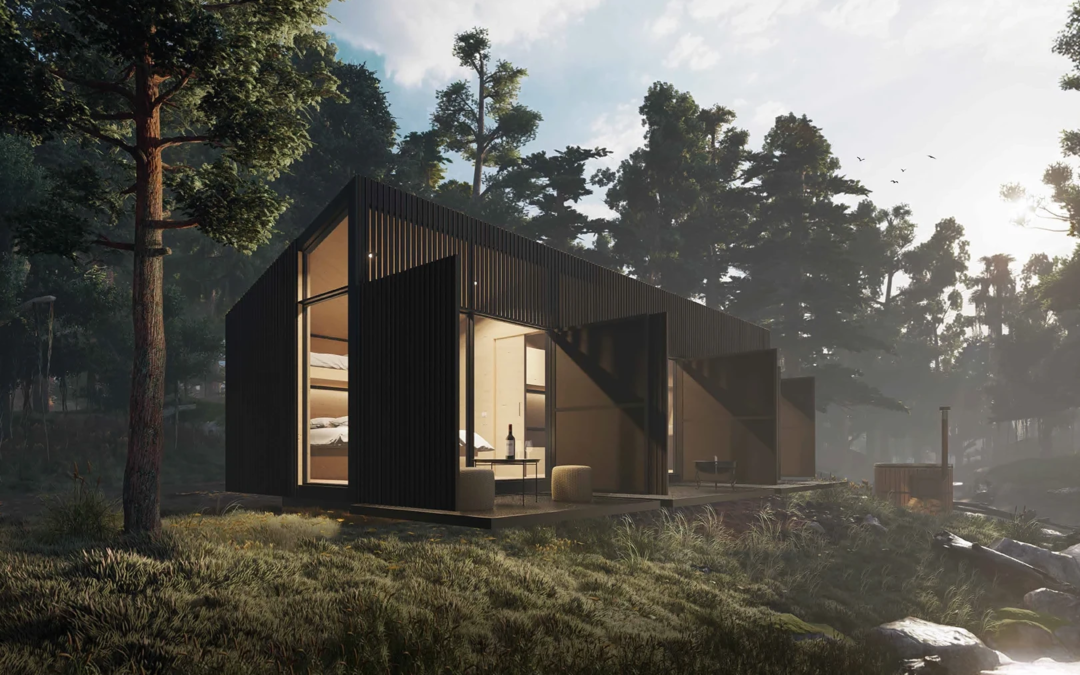
In tropical regions, architecture is shaped by a constant interaction between climate, landscape, water, vegetation, materials, and human activity. While reducing energy consumption is an important part of responsible building, truly sustainable architecture requires a broader understanding of how a project belongs to its environment. At Voidcr, we approach design as an opportunity to create meaningful relationships between people and the natural systems around them. This means looking beyond isolated efficiency measures and considering how buildings can respond to climate, protect ecosystems, use resources responsibly, and create healthier spaces for people.
Understanding the Tropical Context
Tropical environments present distinctive architectural conditions. High temperatures, intense solar radiation, humidity, seasonal rainfall, and strong weather events all influence how buildings should be planned and constructed. A successful response begins with understanding the specific characteristics of the site rather than applying a universal design solution.
Orientation, topography, prevailing winds, vegetation, solar exposure, rainfall patterns, and surrounding ecosystems can influence everything from building placement to material selection. Instead of treating climate as a challenge to overcome with mechanical systems, architectural design can use these natural conditions as part of the solution.
This approach encourages buildings to work with their surroundings. A carefully positioned structure can benefit from shade, capture prevailing breezes, reduce direct solar gain, and preserve existing vegetation. The result can be greater comfort with less dependence on energy-intensive cooling systems.
Designing for Passive Comfort
Passive design is one of the most effective foundations for responsible architecture in tropical climates. It focuses on achieving thermal comfort through the building’s form, orientation, envelope, openings, shading, and relationship with the surrounding landscape.
Natural ventilation is particularly important. Cross ventilation can encourage air movement through occupied spaces, while carefully positioned openings can take advantage of prevailing winds. High ceilings, shaded terraces, operable windows, and transitional spaces can further improve comfort and create a stronger connection between interior and exterior environments.
Solar protection is equally important. Deep overhangs, vegetation, screens, covered walkways, and appropriately oriented openings can limit unwanted heat gain while still allowing natural daylight into the building. These strategies reduce the cooling load before mechanical equipment is even considered.
Architecture and Landscape as One System
In tropical environments, the distinction between architecture and landscape can become less rigid. Vegetation can provide shade, reduce surface temperatures, filter sunlight, support biodiversity, and influence microclimates around buildings.
Preserving mature trees, for example, can be more valuable than replacing them with newly planted vegetation after construction. Existing ecological systems may already provide shade, habitat, soil stability, and water-management benefits.
Landscape design can therefore become an active component of environmental performance. Planting strategies, permeable surfaces, rain gardens, natural drainage, and shaded outdoor areas can help manage rainfall while improving the experience of the site.
Water as a Design Opportunity
Water management is another critical consideration in tropical architecture. High rainfall can create both opportunities and challenges, particularly in areas vulnerable to flooding, erosion, or seasonal water shortages.
Rainwater harvesting can reduce dependence on municipal or extracted water supplies. Storage systems can capture rainfall for appropriate non-potable uses, while landscape strategies can help slow, filter, and infiltrate water naturally.
Site planning should also consider how water moves across the terrain. Instead of relying entirely on conventional drainage infrastructure, projects can incorporate natural slopes, vegetation, permeable surfaces, retention areas, and other strategies that work with existing hydrological patterns.
Materials and Resource Responsibility
Material choices have consequences that extend beyond appearance and durability. Transportation, extraction, manufacturing, maintenance, replacement, and eventual disposal all contribute to the environmental footprint of a building.
In tropical regions, materials must also respond to humidity, rainfall, heat, insects, and exposure. Durability therefore becomes an important aspect of responsible design. A material that performs well in its environment and requires less replacement can provide environmental benefits throughout the building’s life.
Local and regionally appropriate materials can also help reduce transportation requirements while connecting architecture to its cultural and geographic context. However, locality alone does not automatically make a material sustainable. Its extraction methods, production processes, durability, maintenance requirements, and end-of-life potential should all be considered.
Creating Healthy Human Environments
Environmental responsibility should not be separated from human experience. Buildings influence how people perceive light, temperature, air, sound, vegetation, and connection to the outdoors.
Tropical architecture has an opportunity to create strong relationships between interior and exterior spaces. Courtyards, shaded patios, gardens, verandas, breezeways, and transitional zones can provide opportunities for natural ventilation, daylight, social interaction, and contact with vegetation.
From Efficiency to Integration
Energy efficiency remains important, but it should be understood as one component of a much larger design framework. A building that uses less electricity but damages its surrounding ecosystem, wastes water, depends on high-maintenance materials, or disconnects occupants from their environment cannot be considered successful in every dimension.
A more comprehensive approach begins with the site and asks a series of questions: How can the project preserve existing ecological value? How can climate become an architectural resource? How can water be managed naturally? How can materials respond to local conditions? How can the building improve human comfort while reducing resource consumption?
Conclusion
Moving beyond energy efficiency means reconsidering the role of architecture within tropical environments. Climate, water, landscape, biodiversity, materials, and human wellbeing are not separate design problems; they are interconnected parts of the same system. For Voidcr, this broader perspective informs an approach to sustainable architecture that seeks not only to reduce environmental impact but also to create architecture that is responsive, resilient, and deeply connected to place. In tropical regions, the most meaningful architecture may be the kind that works with natural systems rather than simply protecting itself from them.