
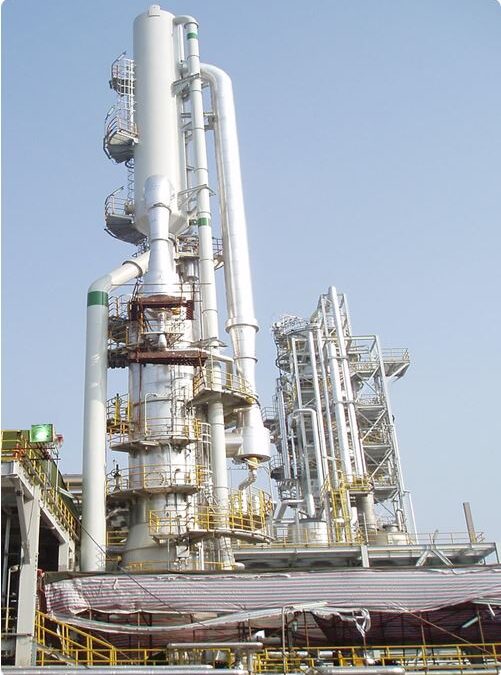
Industrial facilities that require large volumes of cooled water are increasingly seeking alternatives to conventional refrigeration systems. Traditional cooling technologies often depend on chemical refrigerants, mechanical compressors, and complex maintenance requirements, which can increase operational costs and environmental concerns. This is where Vacuum Chillers offer a practical solution. Developed for demanding industrial applications, these systems utilize vacuum technology and flash cooling principles to achieve low-temperature water cooling without relying on refrigerants. As a recognized leader in vacuum process technologies, Croll Reynolds has designed advanced systems that deliver efficient and reliable cooling for industries ranging from chemical processing to food production.
Understanding the Principle of Vacuum Cooling
The cooling process is based on a simple thermodynamic principle: water evaporates at lower temperatures when subjected to reduced pressure. By creating a vacuum environment, the boiling point of water is significantly lowered, allowing a portion of the water to evaporate rapidly. This evaporation absorbs heat from the remaining water, resulting in a temperature reduction.
This phenomenon, commonly referred to as flash cooling, enables industrial facilities to cool large quantities of water efficiently without the use of chemical refrigerants. The process is particularly effective for applications requiring consistent cooling performance and continuous operation.
The Role of Multi-Stage Steam Ejectors
At the heart of the system is a series of steam ejectors designed to create and maintain the required vacuum conditions. Rather than using mechanical vacuum pumps with moving components, the system employs multiple ejector stages that use steam energy to generate vacuum levels throughout the cooling process.
Each ejector stage contributes to lowering the pressure within the system, allowing water to progressively cool as it passes through different sections of the cooling tower. The staged configuration enhances performance by maintaining optimal vacuum conditions across the entire process.
Depending on cooling requirements, systems may incorporate two to five ejector stages along with a downstream air removal arrangement to ensure stable operation and effective vacuum control.
How the Cooling Process Works
The cooling cycle begins when the ejector assembly establishes a vacuum within the first chamber of the chiller tower. Water enters this chamber and is exposed to reduced pressure conditions. As a portion of the water evaporates, heat is removed from the remaining liquid.
The partially cooled water then flows through internal weirs into subsequent chambers. Each chamber operates under controlled vacuum conditions, enabling additional flash cooling to occur. As the water progresses through these stages, its temperature gradually decreases until the desired outlet temperature is achieved.
This staged approach provides greater control over the cooling process and supports the production of chilled water temperatures ranging from approximately 1.5°C to 10°C, depending on the incoming water temperature and operating conditions.
Why Refrigerants Are Not Required
Unlike conventional refrigeration systems that rely on refrigerants to absorb and transfer heat, this technology uses water itself as the cooling medium. The cooling effect is generated through controlled evaporation under vacuum conditions rather than through a refrigeration cycle involving compressors and chemical refrigerants.
By eliminating refrigerants, facilities can avoid concerns related to refrigerant handling, leakage, regulatory compliance, and environmental impact. This makes the technology an attractive option for organizations seeking more sustainable and simplified cooling solutions.
The absence of refrigerants also reduces system complexity and minimizes the need for specialized maintenance associated with refrigeration equipment.
Advantages of a No-Moving-Parts Design
One of the most notable features of this cooling technology is the absence of moving mechanical components within the vacuum generation system. Traditional cooling equipment often relies on compressors, pumps, and rotating machinery that require regular inspection, lubrication, and replacement.
A steam ejector-based design significantly reduces mechanical wear and associated maintenance requirements. With fewer components subject to failure, facilities benefit from improved reliability and consistent operation.
The simplified design also contributes to lower lifecycle costs and reduced downtime, helping facilities maintain productivity while minimizing maintenance expenditures.
Operational Benefits for Industrial Facilities
Facilities operating continuous production processes require cooling systems that can deliver dependable performance under varying operating conditions. The multi-stage vacuum cooling approach offers several operational advantages:
- Consistent cooling performance for large water volumes
- Reduced maintenance requirements due to the absence of moving parts
- Lower operating costs compared to many mechanically driven alternatives
- Simplified operation and monitoring
- Long equipment service life
- Flexibility to accommodate different process requirements
- Easy integration into existing plant infrastructure
These advantages make the technology suitable for facilities focused on reliability, efficiency, and long-term operational value.
Applications across Multiple Industries
Low-temperature process water plays an important role in numerous industrial operations. The technology is widely used in facilities where cooling is required as part of production, processing, or product handling activities.
In chemical and petrochemical operations, chilled water supports various process requirements, including cooling, drying, and product conditioning. Pharmaceutical manufacturers benefit from precise temperature control during sensitive production processes.
Food and beverage facilities utilize chilled water for product processing, evaporation, crystallization, and quality preservation. Similar cooling requirements exist within flavor and fragrance manufacturing, where controlled temperatures help maintain product integrity throughout refining and processing stages.
The technology is also applied in pulp and paper manufacturing, where process cooling contributes to efficient production operations. Additional specialized applications include cooling sand and gravel during dam construction projects as well as supporting the processing and preservation of agricultural products, meat, and grain.
Durability and Material Flexibility
Industrial cooling systems often operate in challenging environments where corrosion resistance and material compatibility are critical considerations. These systems can be constructed using a variety of materials, including steel, alloys, and high-alloy materials, allowing facilities to select configurations appropriate for their operating conditions.
Conclusion
As industries continue to seek efficient and environmentally responsible cooling solutions, Vacuum Chillers provide a proven alternative to conventional refrigeration systems. Through the use of multi-stage steam ejectors, flash cooling technology, and a no-moving-parts design, these systems achieve reliable low-temperature water cooling without refrigerants while maintaining operational simplicity and durability. With extensive experience in vacuum process engineering, Croll Reynolds continues to provide advanced cooling solutions that help industrial facilities achieve dependable performance, reduced maintenance requirements, and long-term operational efficiency.