
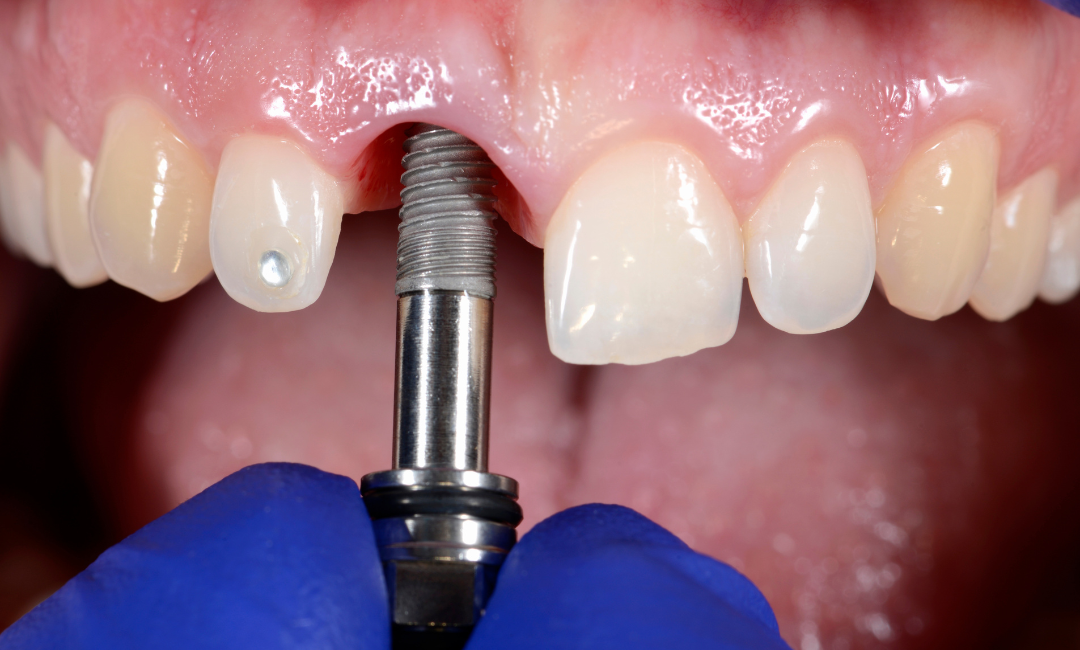
Losing a tooth can seem like a small problem, especially when it is hidden toward the back of your mouth. Some people choose to leave the gap untreated because they are not experiencing pain. However, a missing tooth can gradually affect much more than your appearance. It can influence chewing, speech, neighbouring teeth and even the structure of your jaw.
For people considering tooth replacement, understanding the potential consequences of leaving a gap untreated can help them make a more informed decision.
A Missing Tooth Can Affect Everyday Eating
Teeth work together when you chew. When one tooth is missing, the surrounding teeth may have to take on additional pressure. Depending on the location of the missing tooth, certain foods can become more difficult or uncomfortable to eat.
Over time, people may also develop habits such as chewing predominantly on one side of the mouth. This can place uneven stress on the remaining teeth and make everyday eating less comfortable.
Neighbouring Teeth May Begin to Shift
A gap can create space for nearby teeth to move. Adjacent teeth may gradually tilt or drift toward the empty area, potentially changing the way the upper and lower teeth come together.
This movement can make cleaning between teeth more difficult. Hard-to-reach areas may collect plaque and food particles, which can contribute to gum problems and tooth decay.
Bone Loss Is Another Consideration
One of the less visible consequences of tooth loss involves the jawbone. Natural tooth roots provide stimulation to the surrounding bone. After a tooth is lost, that stimulation is reduced, and the bone in that area can gradually shrink.
This process is known as bone resorption. The amount of change varies from person to person, but it is one reason dentists often discuss tooth replacement rather than simply leaving a gap untreated.
Why Consider a Single Dental Implant?
A single dental implant is designed to replace an individual missing tooth. Unlike some traditional tooth replacement methods, an implant includes a component that is placed into the jawbone to act as an artificial tooth root.
Once healing has taken place, an implant-supported crown can be attached to create a functional tooth replacement.
For suitable patients, a Single Dental Implant Penrith treatment may provide a long-term approach to replacing one missing tooth while helping restore normal chewing function and the appearance of the smile.
What Does the Treatment Process Involve?
The process usually begins with a dental examination and assessment of the tooth gap. The dentist may use dental X-rays or three-dimensional imaging to evaluate the bone and surrounding structures.
If an implant is considered appropriate, treatment generally involves placing the implant into the jawbone and allowing time for healing. An artificial crown can then be designed to match the surrounding teeth.
The exact treatment timeline varies according to factors such as bone condition, oral health and individual healing.
Is an Implant Suitable for Everyone?
Dental implants are not automatically suitable for every patient. Good oral hygiene, healthy gums and sufficient bone support can be important factors. Certain medical or lifestyle considerations may also influence treatment planning.
A thorough dental assessment is therefore essential before deciding on an implant. In some cases, additional procedures may be recommended before implant placement.
Choosing Professional Advice
If you have been living with a missing tooth, it is worth discussing your options with a qualified dental professional rather than assuming that the gap is harmless. A dentist can assess your oral health and explain whether an implant, bridge, denture or another solution may be appropriate.
At Lethbridge Dental, patients can discuss tooth replacement options based on their individual dental needs.
Final Thoughts
A missing tooth is not simply an aesthetic concern. Changes to chewing, tooth movement and jawbone health can make tooth replacement an important consideration for some people. A single dental implant can offer a way to replace one missing tooth while supporting everyday function and a natural-looking smile.
The most suitable solution depends on your oral health, bone structure, expectations and overall circumstances. Professional assessment is the best starting point for making an informed decision.