
Introduction
If your diesel vehicle has started feeling sluggish, rough at idle, or less responsive than usual, the EGR system could be one of the areas worth investigating. For local drivers, egr maintenance cannock can be an important part of keeping a diesel engine running efficiently and identifying potential problems before they become more expensive to repair. The Exhaust Gas Recirculation (EGR) system plays an important role in controlling emissions, but like other components exposed to exhaust gases, it can experience carbon deposits and operational faults over time.
What Does the EGR System Do?
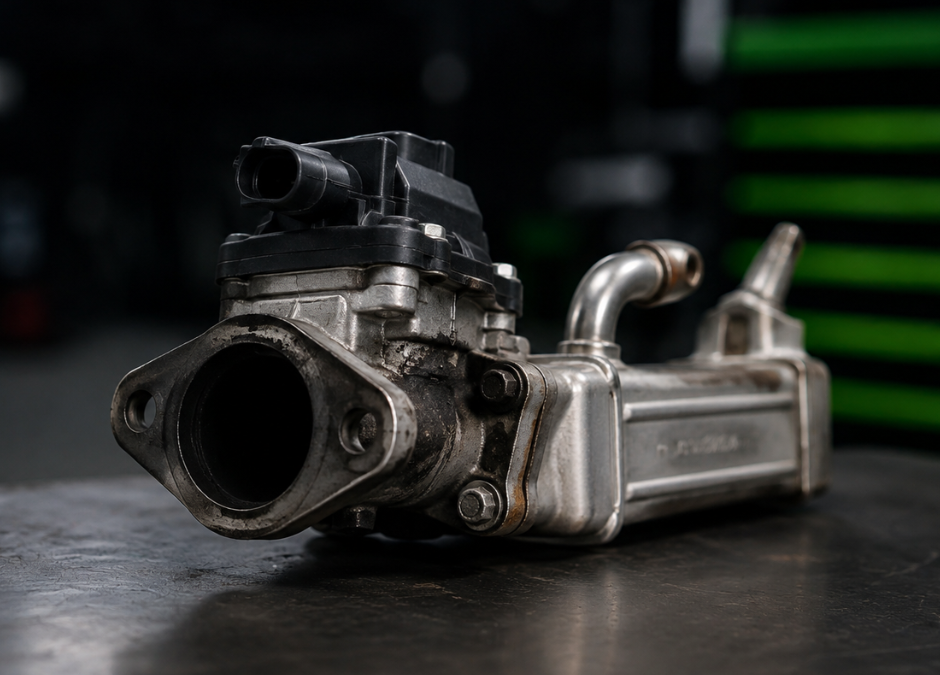
The EGR system works by redirecting a controlled amount of exhaust gas back into the engine intake. This process helps reduce combustion temperatures and can lower the formation of nitrogen oxide emissions.
Modern diesel engines rely on electronic controls and sensors to regulate EGR operation. When everything is working correctly, the system operates automatically according to engine conditions. However, deposits, mechanical wear or electrical faults can interfere with its operation.
Why Does Carbon Build-Up Occur?
One of the most common concerns with EGR systems is carbon accumulation. Exhaust gases contain soot and other particles, and over time these deposits can build up around the EGR valve and associated intake components.
Driving patterns can also influence deposit formation. Vehicles that frequently make short journeys or spend considerable time in stop-start traffic may experience different operating conditions from vehicles regularly driven for longer distances. Excessive deposits can eventually restrict airflow or prevent the valve from operating as intended.
Common Signs of an EGR Problem
Recognising potential symptoms early can help drivers seek professional advice before a minor issue develops into a larger problem. Common signs may include rough idling, hesitation during acceleration, reduced engine performance and unusual engine behaviour.
A dashboard warning light may also appear when the vehicle’s engine management system detects an abnormal reading. Increased fuel consumption or poor throttle response can sometimes accompany an EGR-related issue.
However, these symptoms are not exclusive to the EGR system. Similar problems can be caused by turbochargers, sensors, injectors, air intake restrictions or other engine components. This is why accurate diagnostics are important before deciding what repair is required.
Why Professional Diagnostics Matter
Simply replacing an EGR valve based on a warning light may not resolve the underlying problem. A diagnostic assessment can help identify stored fault codes and examine relevant sensor readings and system operation.
A technician can also inspect associated components, wiring and intake areas where appropriate. This approach helps distinguish between a faulty valve, an electrical problem, excessive deposits or another issue producing similar symptoms.
Maintenance and Preventative Checks
There is no single maintenance schedule that applies to every diesel vehicle because EGR systems vary by manufacturer and engine. Following the vehicle manufacturer’s servicing recommendations is a sensible starting point.
Regular servicing and addressing warning lights promptly can help identify developing problems earlier. Drivers should also pay attention to changes in performance, fuel economy and engine behaviour rather than continuing to drive with persistent symptoms.
EGR Cleaning, Repair or Replacement?
The appropriate solution depends on the condition of the system and the vehicle involved. In some cases, cleaning may be appropriate where deposits are restricting operation. If a component has suffered mechanical or electrical failure, repair or replacement may be necessary.
It is important not to assume that cleaning is always the answer. A professional assessment can establish whether deposits are actually responsible for the problem and whether other components should also be checked.
Why Cannock Diesel Drivers Should Act Early
For drivers around Cannock, dealing with an EGR warning or noticeable change in engine performance early can be more convenient and potentially more cost-effective than ignoring the symptoms. A proper diagnosis provides a clearer understanding of the problem and helps the vehicle owner make an informed decision about the next step.
Diesel emissions systems are increasingly complex, so using suitable diagnostic equipment and experienced technicians can be valuable when investigating faults.
Conclusion
An EGR system is an important part of modern diesel emissions technology, but carbon build-up, electrical faults and mechanical problems can affect its operation. Rough running, reduced performance or dashboard warnings should not automatically be blamed on one component without proper investigation. For professional diagnostics and advice, MPG Tuning Ltd can help drivers understand the cause of an EGR-related issue and determine the most appropriate solution for their vehicle.